
Do these six things once you noticed the following signs and symptoms on your dogs

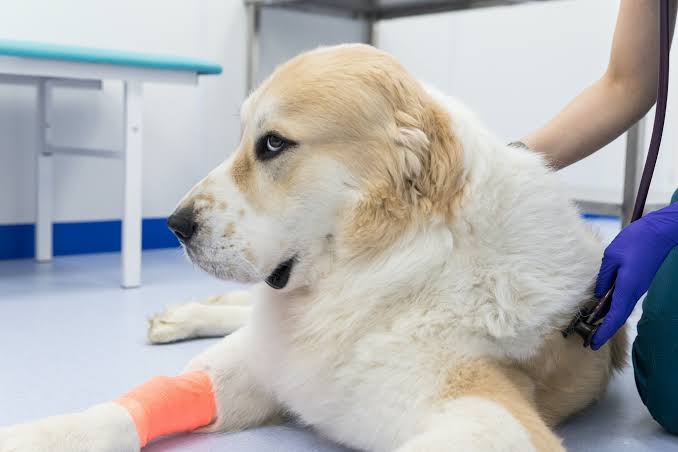
**Six Crucial Steps to Take When Your Dog Shows Alarming Symptoms**
As dog owners, we grow deeply connected to our pets, often recognizing subtle changes in their behavior and health before anyone else does. If your dog is exhibiting signs such as **sudden weight loss, lack of appetite, aggressive behavior**, or symptoms that may indicate **serious diseases**, these changes shouldn’t be ignored. While some issues may be minor, others can be life-threatening if not addressed promptly. Here are six important things to do when you notice these red flags in your dog.
### 1. **Schedule a Vet Visit Immediately**
The first and most crucial step is to **book an appointment with your veterinarian** as soon as possible. Sudden weight loss and loss of appetite are common signs of a wide range of health issues, including metabolic disorders, infections, parasites, or even cancer. Aggressive behavior might indicate pain, neurological problems, or emotional distress. A vet will perform a full physical exam and may recommend blood tests, X-rays, or other diagnostics to get to the root cause.
Early diagnosis can make a massive difference in treatment outcomes, especially if your dog is suffering from potentially deadly diseases like **parvovirus, distemper, heartworms, or cancer**. Delaying care can make matters worse and lead to higher treatment costs.
### 2. **Monitor and Document Symptoms**
While waiting for your vet visit, **document everything you observe**. Note changes in eating habits, bowel movements, urination, sleep patterns, behavior, and energy levels. If your dog is vomiting, coughing, has discharge from the eyes or nose, or displays a fever, write down when these symptoms started and how often they occur.
Photos or videos of unusual behavior can also be extremely helpful to your vet. Your dog can’t communicate in words, so your observations become vital clues in helping the vet make an accurate diagnosis.
### 3. **Check for Environmental or Dietary Changes**
Think back: have you recently changed your dog’s food? Have they had access to unfamiliar environments, trash, chemicals, or other animals? Sometimes, sudden behavioral or physical changes can be linked to something as simple as an **allergic reaction, food intolerance**, or **toxicity** from ingesting something harmful.
Removing the potential irritant from your dog’s environment might offer immediate relief while you wait for professional guidance. However, do not attempt home treatments or change their diet drastically without a vet’s recommendation.
### 4. **Avoid Punishment for Aggressive Behavior**
If your dog has started acting aggressively, **don’t resort to punishment**. Aggression is often a sign that something is wrong—either physically or emotionally. Your dog might be in pain, scared, or suffering from neurological problems.
Instead of reprimanding, try to **observe the triggers** of the aggressive behavior and keep your dog (and others) safe. Is it food-related? Does it happen around other pets or strangers? Share this information with your vet or a certified animal behaviorist. Proper training and treatment can often resolve aggression when the root cause is addressed.
### 5. **Consider Isolation if Contagious Disease is Suspected**
If you suspect that your dog may have a **contagious illness** such as parvovirus or kennel cough, it’s crucial to **isolate them from other pets** until you get a clear diagnosis. These diseases can spread rapidly in multi-pet households or areas where dogs interact, like parks and kennels.
Wash your hands after handling your dog and disinfect any shared bedding, bowls, or toys. Your vet can guide you on safe quarantine procedures while testing and treatment are underway.
### 6. **Prepare Emotionally and Financially**
While it’s difficult to think about, serious illness in dogs can come with emotional and financial stress. If your vet suspects a life-threatening condition, prepare yourself to make **decisions about treatments, costs, and quality of life**. Ask about all your options, including medical treatment, surgery, lifestyle changes, or, in some cases, palliative care.
Pet insurance or emergency savings can ease the financial burden. Some clinics also offer payment plans or financing options. Don’t hesitate to ask for support—there are resources and communities out there for pet owners facing difficult situations.
—
**In Conclusion**
The health of your dog is too important to take chances with. Whether the symptoms turn out to be minor or serious, early action is key. Pay attention, seek professional help, and trust your instincts—because when it comes to your pet’s well-being, no concern is ever too small.